Best Electric Cars · EVCar Data Desk
2027 Volvo EX90 vs BMW 550e: EPA Range and Recall Comparison
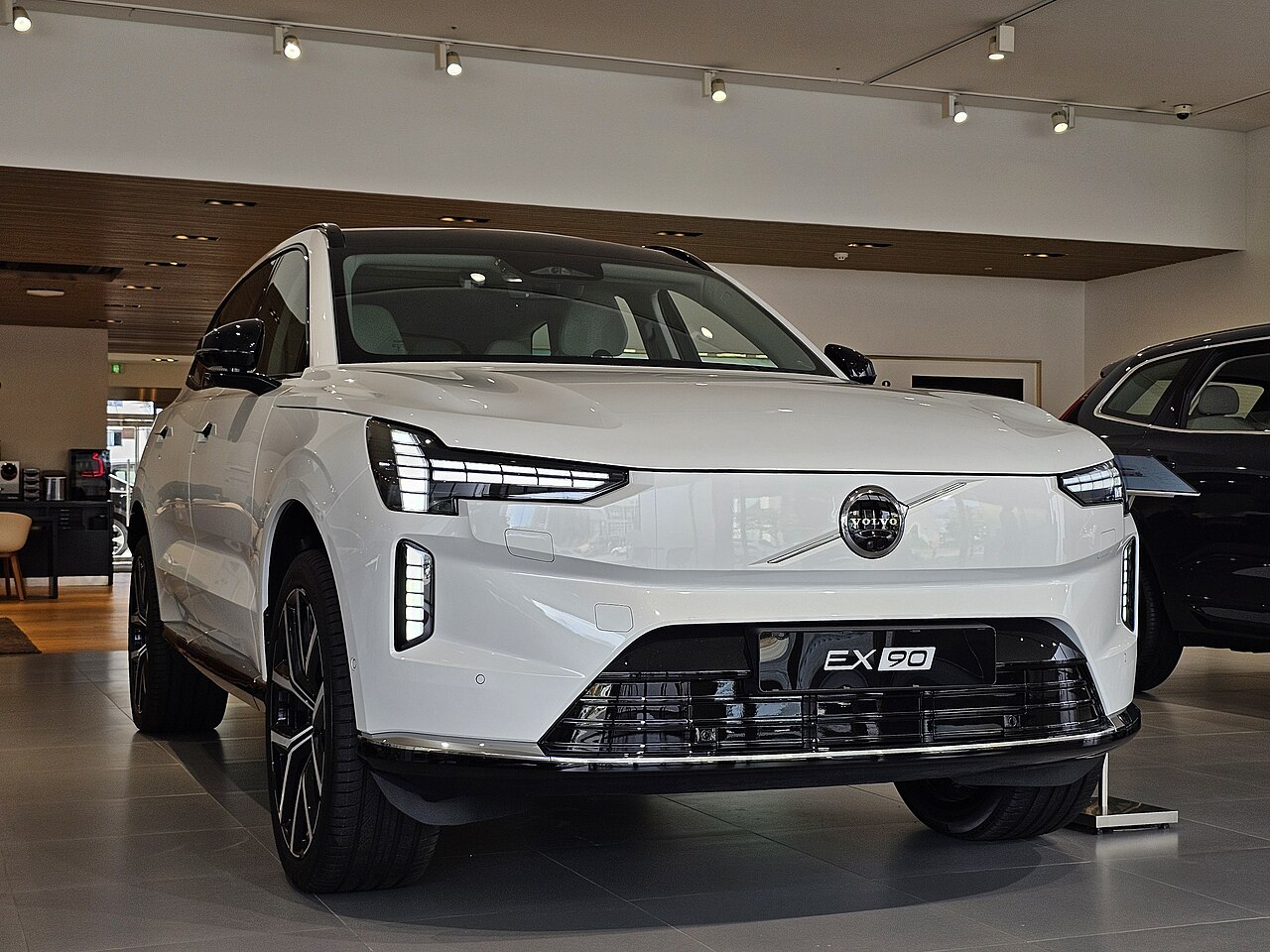
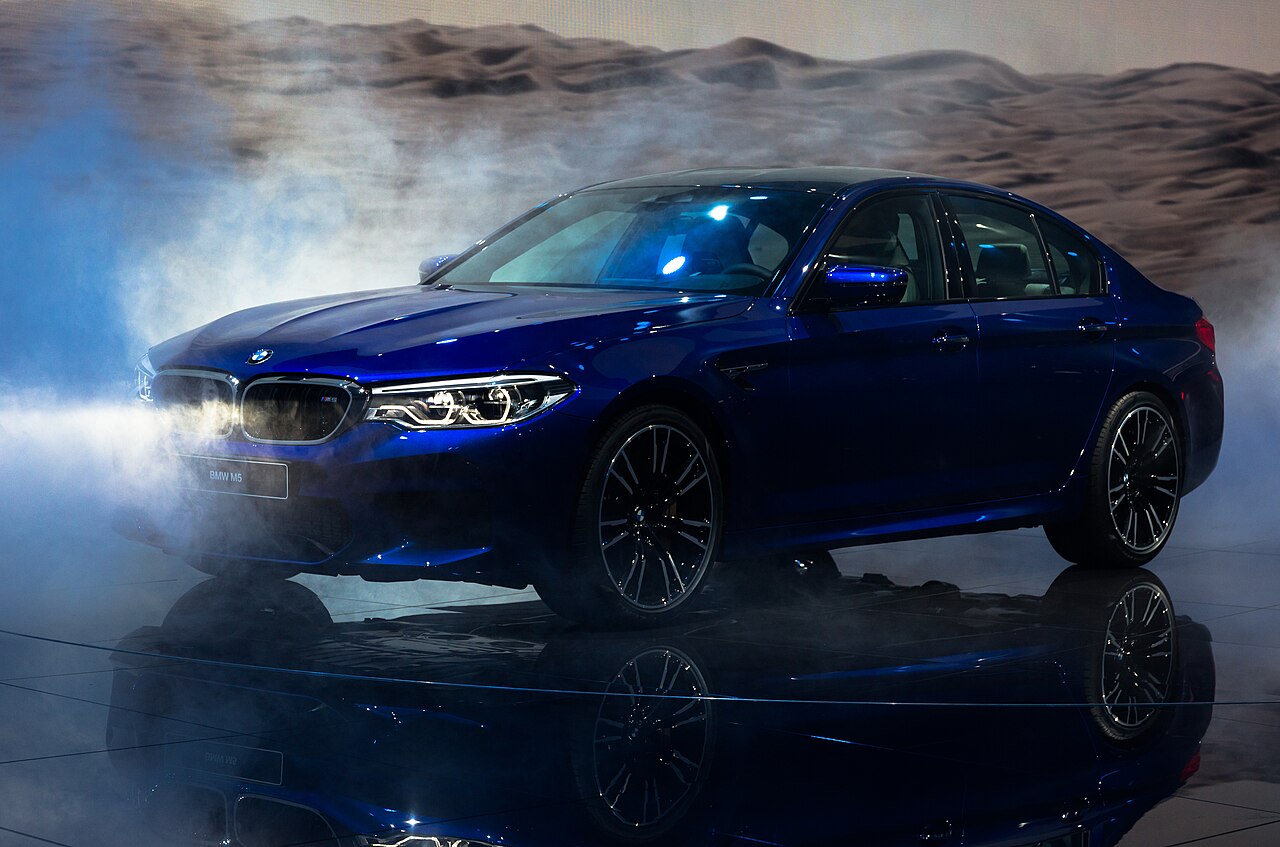
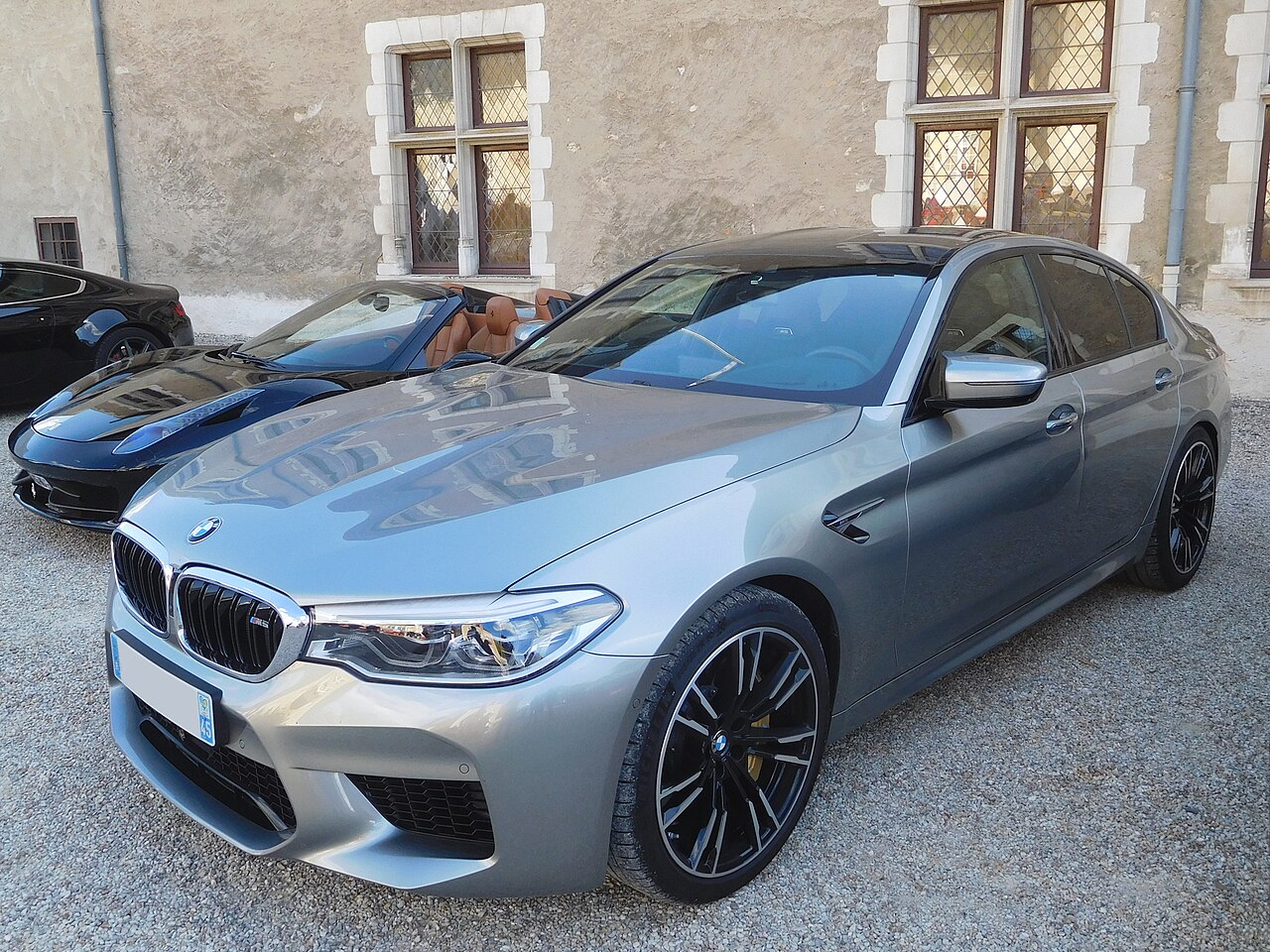
Between the 2027 BMW 550e and the 2027 Volvo EX90 Twin Motor, buyers face a trade-off between range, efficiency, and vehicle type. The BMW 550e delivers a much longer EPA-estimated electric range of 430 miles, significantly outstripping the Volvo EX90's 310 miles. However, this advantage comes with considerably lower energy efficiency: the BMW's combined MPGe is just 25 MPGe compared to the Volvo's 89 MPGe. Both vehicles currently have zero reported NHTSA recalls, suggesting comparable reliability and safety oversight.
Key Findings
- The 2027 BMW 550e provides an EPA range of 430 miles, 38% longer than the Volvo EX90's 310 miles.
- The Volvo EX90 demonstrates significantly higher efficiency with a combined 89 MPGe vs the BMW's 25 MPGe.
- Charging time differs greatly: BMW charges fully in 2 hours at 240V, while the Volvo requires 11 hours.
- Both vehicles have zero recalls reported by NHTSA, indicating no current federally identified safety defects.
- The EX90’s MPGe advantage is consistent in both city (94 MPGe) and highway (83 MPGe) driving, whereas the BMW remains less efficient (22 MPGe city, 28 MPGe highway).
EPA Range Differences and Implications for Buyers
The BMW 550e's longer range of 430 miles makes it a strong candidate for drivers prioritizing distance between charges, such as those with long commutes or frequent road trips. The Volvo EX90’s 310 miles EPA range still meets the needs of many typical daily users and SUV buyers but may require more frequent recharging on long journeys.
Energy Efficiency: What MPGe Tells Us
MPGe (Miles Per Gallon Equivalent) indicates how efficiently the vehicle converts energy into driving range. The Volvo EX90’s combined MPGe of 89 is more than triple that of the BMW 550e (25). This implies that the Volvo uses its battery power far more efficiently, which can translate into lower electricity costs and potentially less environmental impact per mile driven.
The EX90 maintains a high MPGe in city driving at 94 MPGe and highway at 83 MPGe. In contrast, the BMW averages 22 MPGe city and 28 MPGe highway, showing less efficiency in both conditions.
Charging Time Comparison
Charging speed is an important convenience factor. The BMW 550e achieves a full charge in just 2 hours on a 240V Level 2 charger, which benefits busy users with limited downtime. In comparison, the Volvo EX90 takes around 11 hours for a full charge, suggesting overnight charging is more suitable.
Recall History: Safety Considerations
Neither vehicle has any reported recalls according to NHTSA data, each with a count of 0 recalls for the Volvo and 0 recalls for the BMW. This absence of recalls provides reassurance on their safety and reliability as assessed by federal regulators.
Vehicle Type and Buyer Suitability
The Volvo EX90 is a standard sport utility vehicle with all-wheel drive, suited for buyers wanting an efficient electric SUV with ample interior space and the latest technology. Its better MPGe and SUV characteristics might fit families or those valuing utility without sacrificing efficiency.
The BMW 550e is a midsize sedan with all-wheel drive and substantial electric range, tailored for buyers seeking luxury and longer trip capability in an EV sedan. The faster charging and longer range align well with drivers who prioritize performance and practicality on extended drives.
Summary Table of Key Specs
| Specification | 2027 Volvo EX90 Twin Motor (21" Wheels) SUV | 2027 BMW 550e xDrive Sedan |
|---|---|---|
| EPA Electric Range | 310 miles | 430 miles |
| Combined MPGe | 89 MPGe | 25 MPGe |
| City MPGe | 94 MPGe | 22 MPGe |
| Highway MPGe | 83 MPGe | 28 MPGe |
| EPA 240V Charge Time | 11 hours | 2 hours |
| NHTSA Recall Count | 0 recalls | 0 recalls |
Frequently Asked Questions
Which vehicle offers a longer EPA-rated driving range?
The 2027 BMW 550e sedan has a significantly longer EPA electric range of 430 miles compared to the Volvo EX90 SUV’s 310 miles.
How do the vehicles compare in energy efficiency?
The Volvo EX90 is much more efficient, with combined MPGe of 89 versus the BMW 550e’s 25. This efficiency gap reflects in both city and highway ratings.
What about charging times for these EVs?
The BMW charges fully on a Level 2 charger in about 2 hours, while the Volvo EX90 requires roughly 11 hours, making the BMW a better choice for quick recharging.
Any recalls reported for either model?
As of the latest data, both vehicles have zero reported NHTSA recalls, indicating no current known safety defects.
Which vehicle type is better suited for family or utility needs?
The Volvo EX90’s SUV configuration with all-wheel drive is better suited for buyers needing more interior space and utility, while the BMW 550e sedan suits those prioritizing range and fast charging in a luxury sedan format.
Conclusion
Choosing between the 2027 Volvo EX90 Twin Motor and the BMW 550e comes down to priorities: the BMW 550e excels in range and rapid charging, making it ideal for long-distance travel and quick turnarounds. Conversely, the Volvo EX90 shines with exceptional energy efficiency and SUV versatility but requires longer charging times and offers a shorter range. Both maintain a clean recall slate, underscoring their comparable safety track records. Buyers looking for longer daily driving without frequent stops may lean toward the BMW, while those valuing efficiency and SUV practicality should consider the Volvo EX90.
Data Sources
- EPA Fuel Economy Data: fueleconomy.gov
- NHTSA Recall Data: NHTSA API