Best Electric Cars · EVCar Data Desk
Kia Sportage PHEV vs Volvo EX90: EPA Range and Recalls Compared
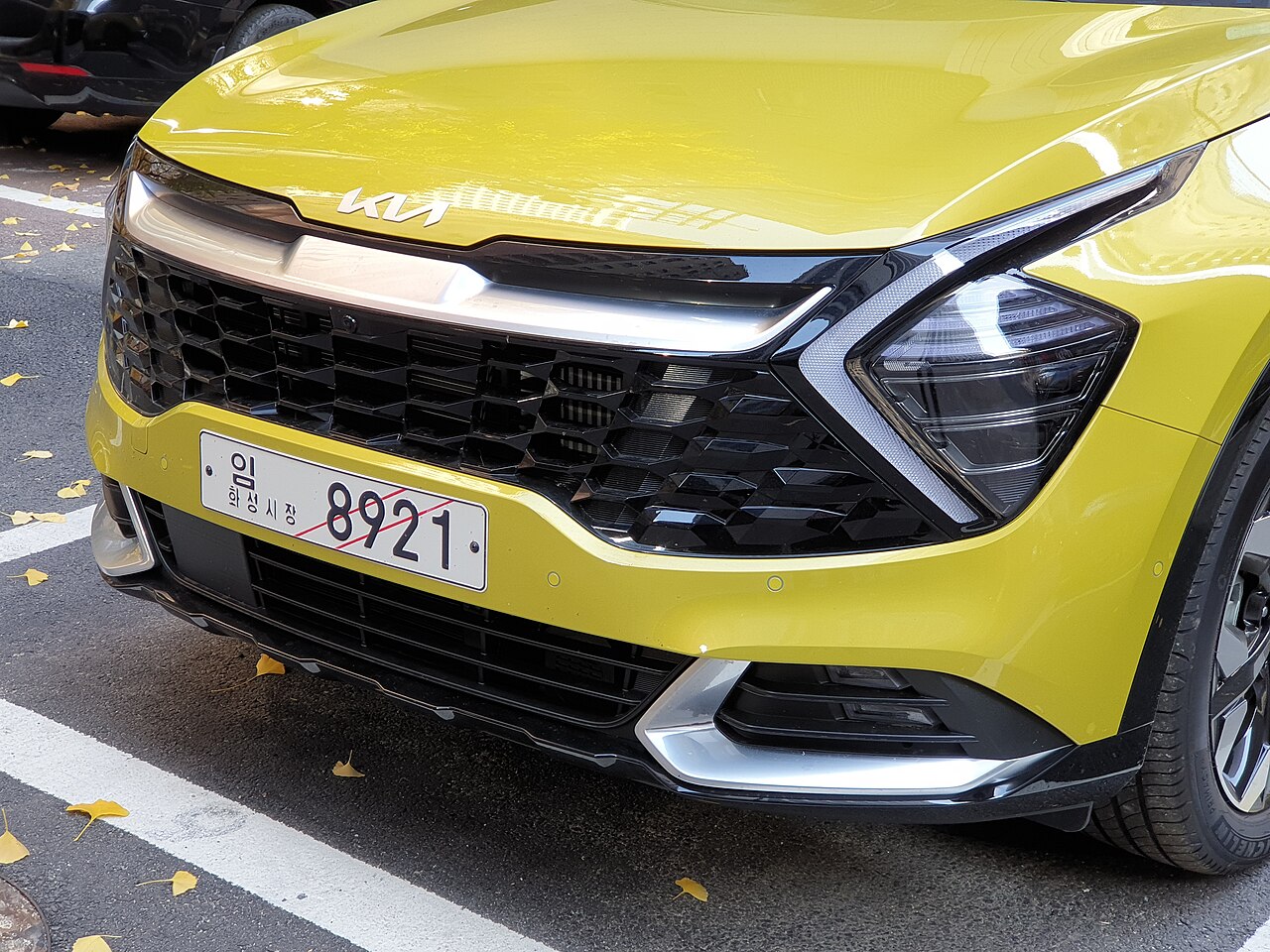
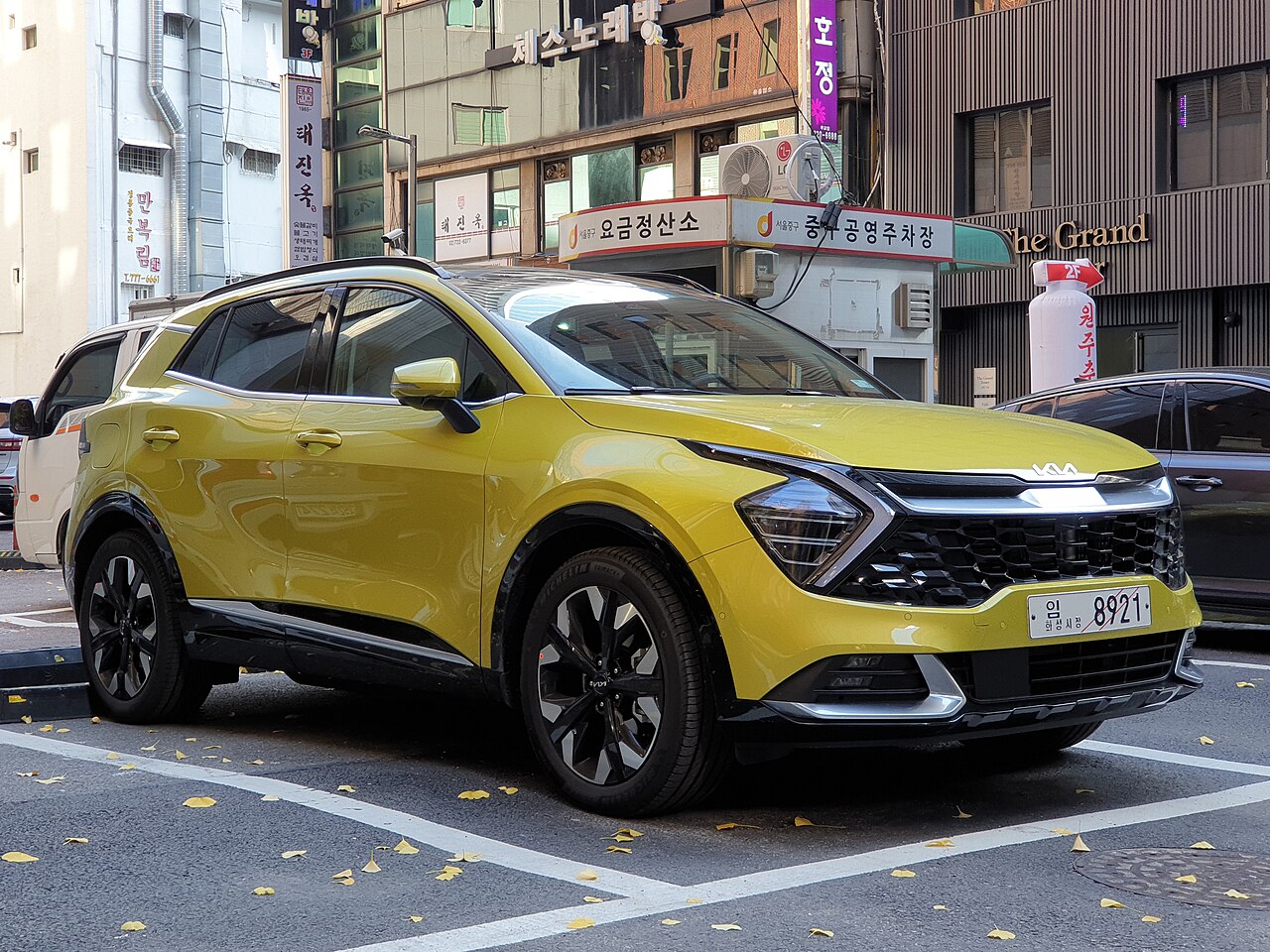
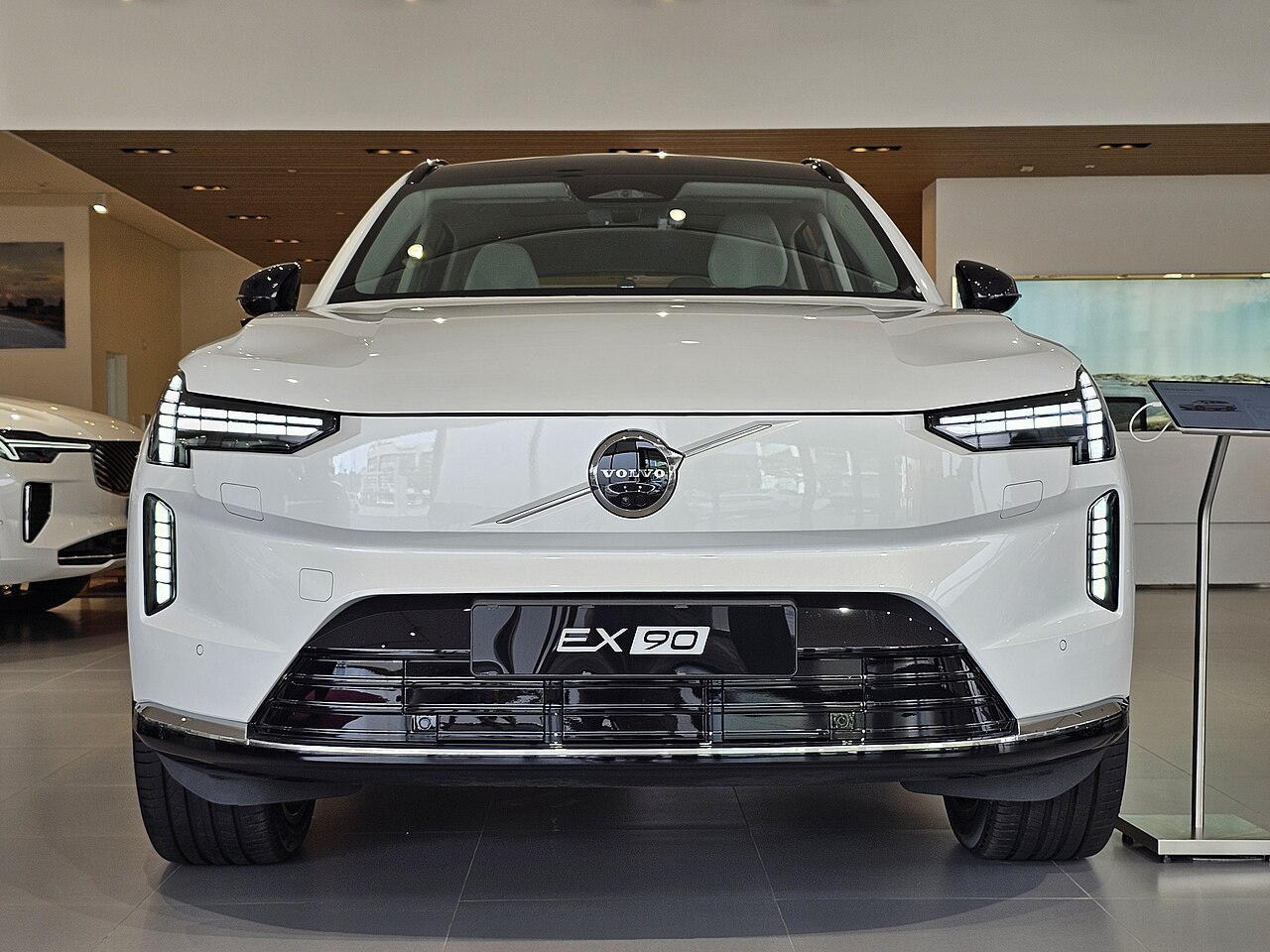
When choosing between the 2027 Kia Sportage Plug-in Hybrid and the 2027 Volvo EX90 Twin Motor Performance, the standout difference is their EPA range and efficiency profiles. The Kia Sportage PHEV delivers a notably longer EPA combined range, while the Volvo EX90 offers superior electric efficiency. Both vehicles share a clean recall record, underscoring their reliability for prospective buyers.
Key Findings
- The 2027 Kia Sportage Plug-in Hybrid boasts an EPA combined range of 470 miles, surpassing the Volvo EX90's 310 miles.
- The Volvo EX90 outperforms in electric efficiency, with a combined MPGe of 89 MPGe compared to Kia Sportage PHEV's 36 MPGe.
- City and highway MPGe ratings are consistently higher for the Volvo EX90, indicating better energy use in various driving conditions.
- Charging times differ significantly, with the Kia Sportage PHEV charging faster at Level 2 in 2 hours versus the Volvo EX90's 11 hours.
- Neither vehicle has any NHTSA recalls reported, reinforcing their safety reliability.
EPA Range Comparison
The Kia Sportage PHEV's EPA combined range of 470 miles significantly exceeds the Volvo EX90's 310 miles. This substantial difference stems from the hybrid nature of the Kia, which combines electric propulsion with a gasoline engine to extend total driving distance. On the other hand, the Volvo EX90 is a fully electric vehicle (EV), relying solely on battery capacity and electric drivetrain efficiency.
Buyers prioritizing long-distance travel with less frequent charging stops might prefer the Kia Sportage for its extended range. However, the total electric driving portion is limited in the hybrid configuration compared to a pure EV like the Volvo. The choice depends on how much pure electric driving range and fuel flexibility a buyer desires.
Efficiency: MPGe Ratings Matter
The EPA combined MPGe (miles per gallon gasoline equivalent) rating highlights energy efficiency. The Volvo EX90 achieves 89 MPGe, a figure more than double the Kia Sportage PHEV's 36 MPGe. This reflects the Volvo's fully electric design optimized for efficiency, whereas the Kia's rating is constrained by the hybrid powertrain.
Looking closer at city and highway breakdowns:
- Volvo EX90 city MPGe is 94 MPGe, slightly better than its highway rating of 83 MPGe.
- Kia Sportage PHEV holds steady with city and highway ratings of 35 MPGe and 36 MPGe, respectively.
These numbers mean for urban driving, where stop-and-go and frequent starts benefit from electric propulsion, the Volvo maximizes efficiency. The hybrid structure of the Kia provides moderate efficiency gains but falls short of full EV performance.
Charging Speed and Convenience
Charging convenience differs greatly. The Kia Sportage PHEV requires approximately 2 hours to charge at 240V Level 2, benefiting buyers with less downtime. The Volvo EX90 takes significantly longer—about 11 hours—due to its much larger battery pack and electric-range focus.
This difference can impact daily routines, depending on access to charging infrastructure and typical commute lengths. For users with regular access to fast charging stations, the Volvo's longer charging time may be manageable; otherwise, it could be a consideration against the Kia's quicker recharge capability.
Recall History
According to NHTSA data, neither the 2027 Kia Sportage Plug-in Hybrid nor the 2027 Volvo EX90 Twin Motor Performance have any recalls reported. This is favorable, indicating both vehicles meet current safety and reliability standards without known major defects.
Who Each Vehicle Suits
The Kia Sportage PHEV is ideal for buyers wanting a substantial total range with the flexibility of gasoline backup, particularly if long trips are common and charging opportunities are limited.
The Volvo EX90 Twin Motor Performance caters to drivers focused on full electric driving with better energy efficiency, especially those prioritizing urban or suburban travel with available charging infrastructure and who value clean emissions.
Summary Table
| Specification | 2027 Kia Sportage PHEV | 2027 Volvo EX90 Twin Motor Performance |
|---|---|---|
| EPA Combined Range | 470 miles | 310 miles |
| Combined MPGe | 36 MPGe | 89 MPGe |
| City MPGe | 35 MPGe | 94 MPGe |
| Highway MPGe | 36 MPGe | 83 MPGe |
| Level 2 Charge Time (240V) | 2 hours | 11 hours |
| NHTSA Recall Count | 0 recalls | 0 recalls |

Frequently Asked Questions
Which vehicle offers the longest EPA range?
The Kia Sportage Plug-in Hybrid offers the longest EPA combined range at 470 miles, compared to the Volvo EX90’s 310 miles.
How do their electric efficiency ratings compare?
The Volvo EX90 is notably more efficient, with a combined rating of 89 MPGe, whereas the Kia Sportage PHEV has a combined rating of 36 MPGe.
Are there any recalls for these vehicles?
No, as of the latest data, both vehicles have zero NHTSA recalls reported.
Which vehicle charges faster on Level 2?
The Kia Sportage PHEV charges much faster, needing about 2 hours at 240V, versus the Volvo EX90 requiring approximately 11 hours.
What kind of driver would benefit most from each vehicle?
Drivers needing extended total range and flexibility from gasoline and electric power may prefer the Kia Sportage PHEV, while commuters and urban drivers focused on pure electric efficiency are better suited to the Volvo EX90.
Conclusion
The 2027 Kia Sportage Plug-in Hybrid and Volvo EX90 Twin Motor Performance serve different buyer priorities within the 4WD SUV segment. The Kia specializes in extended driving range with hybrid versatility, making it attractive for those who travel longer distances without consistent charging access. In contrast, the Volvo focuses on electric efficiency and offers a fully electric driving experience with no emissions, appealing strongly to buyers with charging convenience and sustainability goals.
Both vehicles show strong safety reliability with no recalls, so considerations should center on range needs, charging habits, and efficiency preferences to determine the best fit.
Data Sources
- EPA Fuel Economy Data: EPA Official Dataset
- NHTSA Recall Information: NHTSA API